Brick home entry with a navy door, stone steps, iron railings, and autumn foliage.

Fall Home Care in Philadelphia and Bucks County: A Winter Prep Checklist That Protects Your Home and Its Value

Homeowners October 22, 2026

Last winter, one February storm dropped more than 16 inches of snow on parts of the Philadelphia region. Plenty of homeowners learned the hard way where their home is vulnerable: a frozen pipe, a backed-up gutter, a sump pump that did not start.

This year's early forecasts lean milder, but that does not mean you can skip fall prep. Milder and wetter winters mean more rain, more freeze and thaw cycles, and more chances for water to find its way in.

A quick note before we dive in: I am not a licensed contractor or plumber. I am an agent who has owned homes for many years, and I have learned some of these lessons the hard way. That is homeownership. Use this as a practical checklist, and call a licensed professional for anything involving your roof, chimney, plumbing or heating system.

Does a milder winter forecast mean I can skip winter prep?

No. AccuWeather is projecting fewer snow days and more rain for Philadelphia this winter, and the Old Farmer's Almanac still marks cold stretches in December, January and February. Rain on a clogged gutter does as much damage as snow, and a mild winter with a few hard freezes is exactly when exposed pipes fail.

Takeaway: Prep for the freeze and thaw, not just the snowstorm.
What should I do first to protect my pipes?

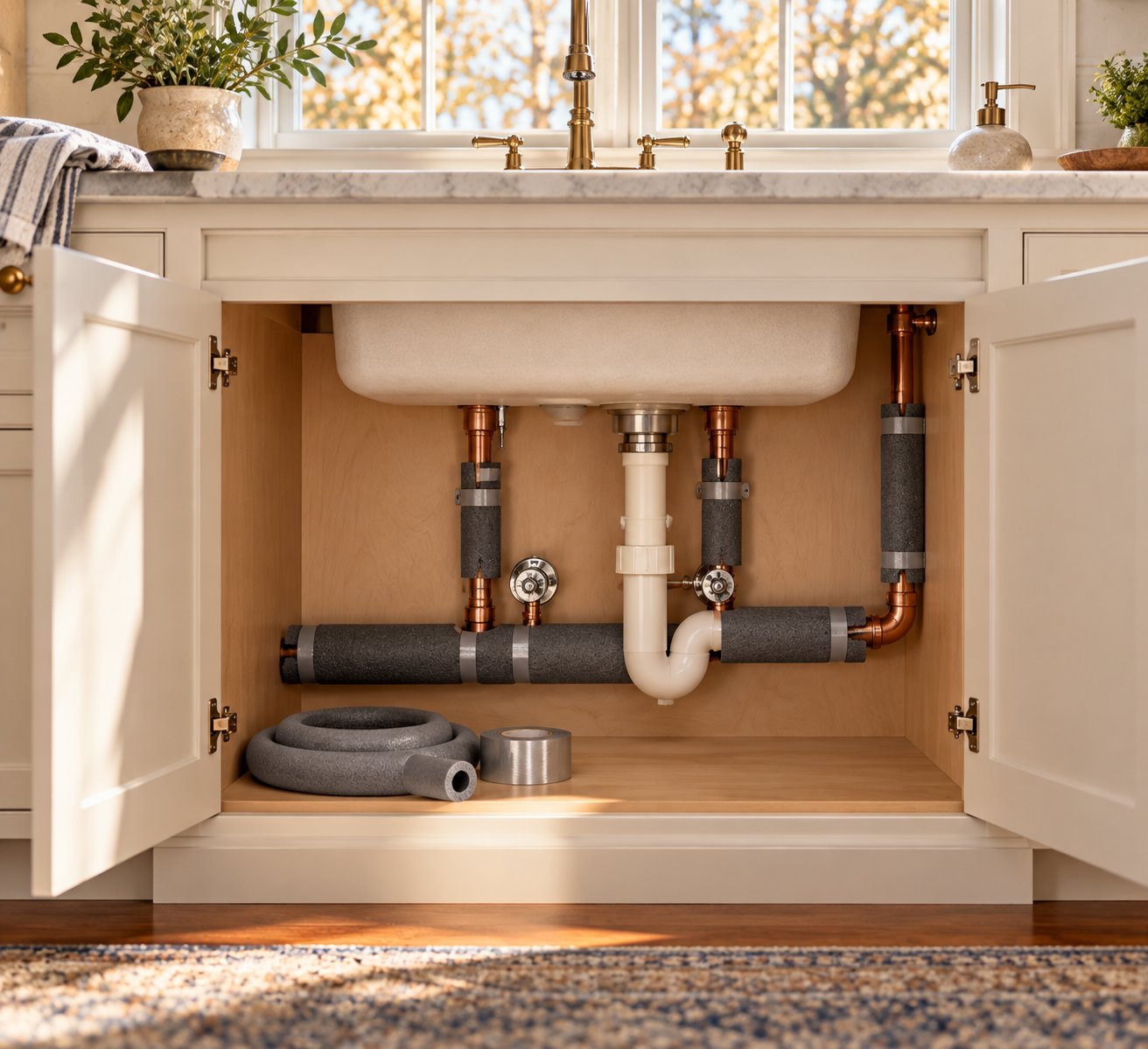
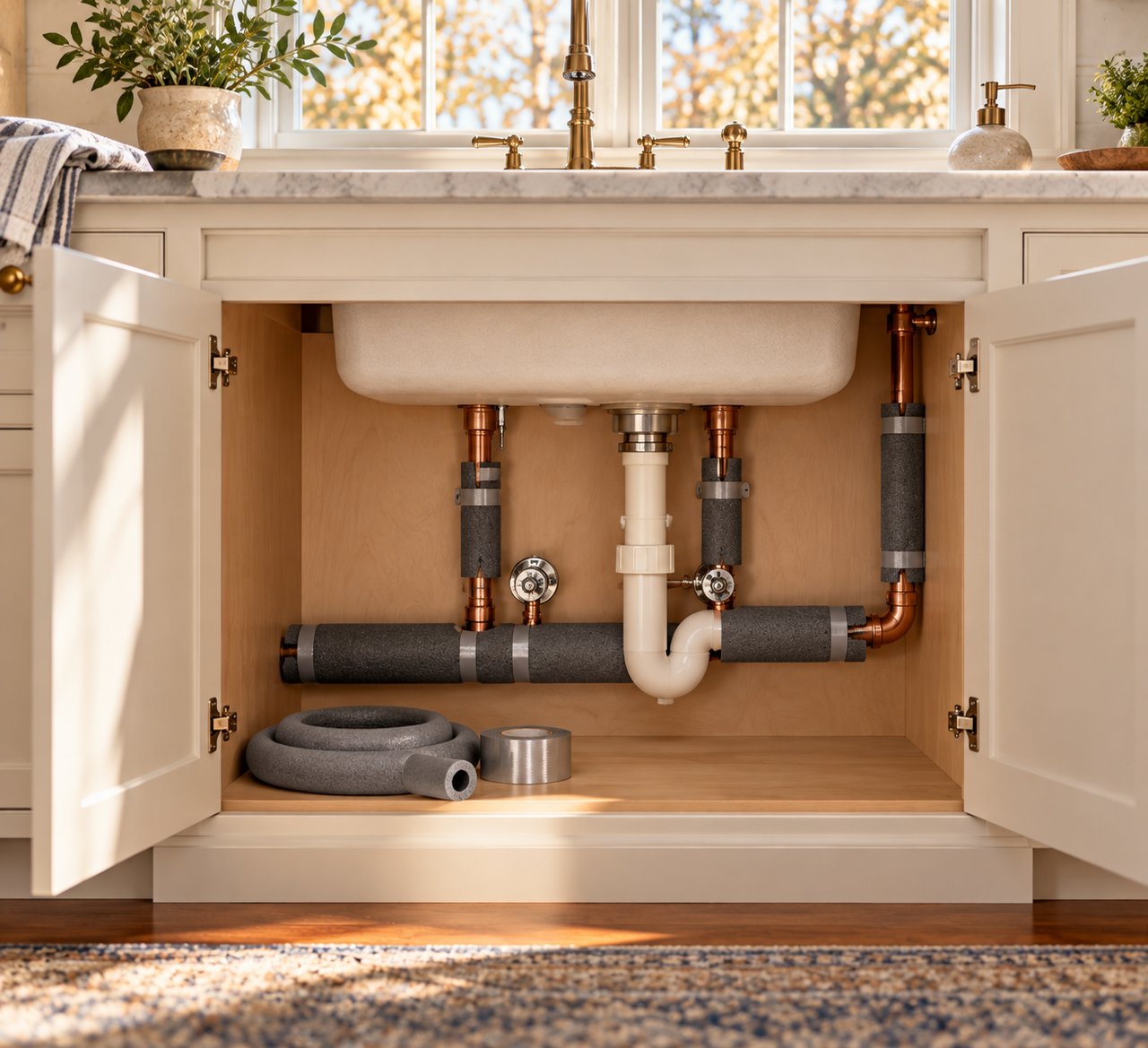
Insulated pipes beneath a kitchen sink in an open cabinet.

Start with the places water can freeze:
  • Open the cabinet doors on cold nights. In my old home, the plumbing ran along an exterior wall and it would freeze. Opening the cabinet to let warm air reach the pipes worked in most cases.
  • Let the faucet drip. When it got really cold, I let the faucet drip ever so slightly. Keeping water moving through the line helps prevent freezing.
  • Disconnect hoses and shut off exterior hose bibs. Many homes have an interior shutoff for each outdoor spigot. Close it and drain the line.
  • Insulate pipes in cold spaces. Basements, crawl spaces, garages and exterior walls are the usual culprits. Foam pipe sleeves are inexpensive at any hardware store.
  • Find your main water shutoff and test it. If a pipe bursts, you want to know where the valve is and that it turns.
  • Set a minimum temperature if you travel. Keep the heat on, at 55 degrees or higher, in any home you leave for more than a few days.

How do I keep water out of my basement?

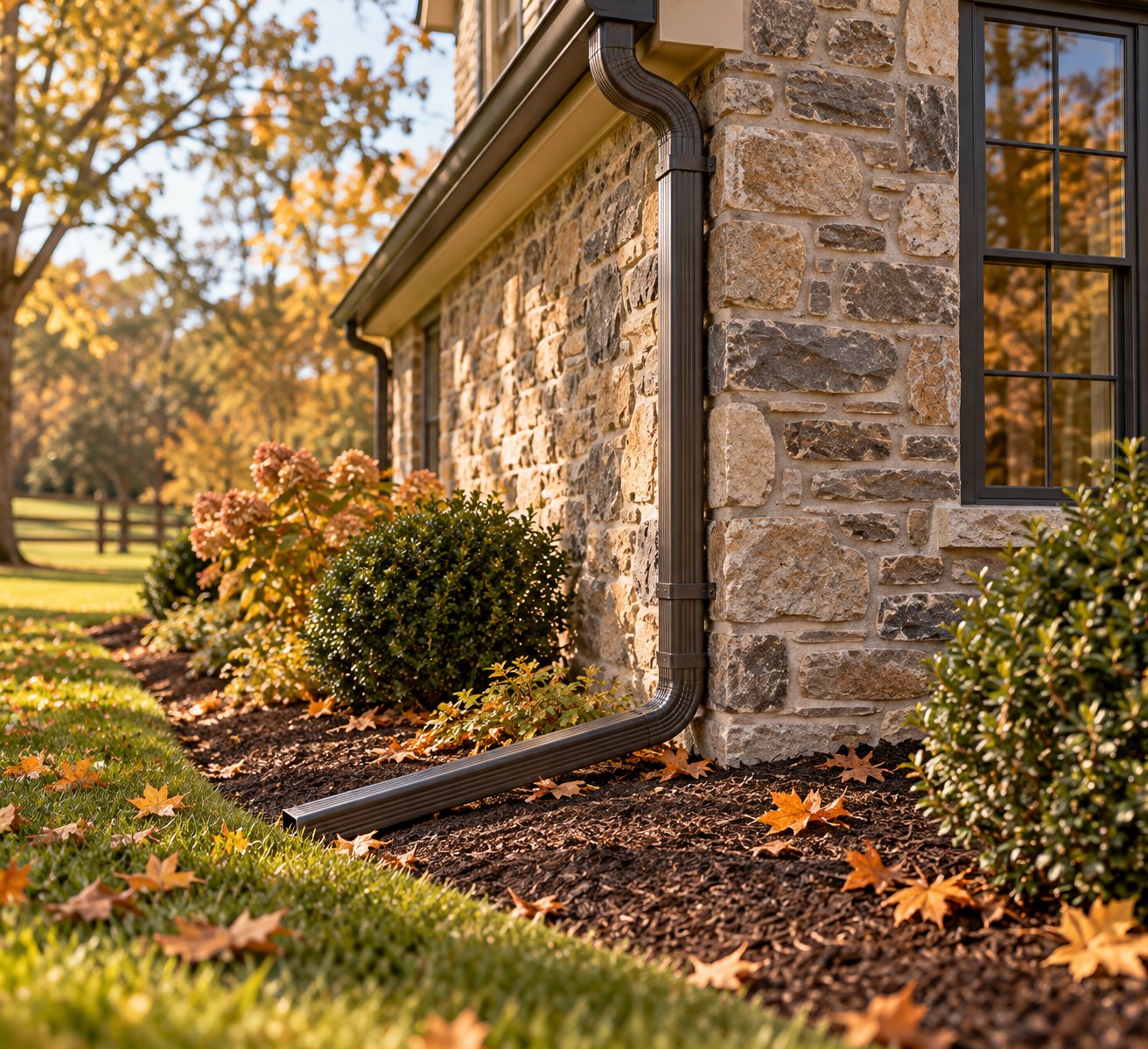
Stone home exterior with a downspout beside autumn leaves and shrubs

This is the biggest lesson I learned: most basement water problems come from poor drainage around the home. Fix the outside first.

  • Keep gutters and downspouts free of debris. Clean them after the leaves drop, and plan on a second cleaning in late November if you have trees.
  • Check that the landscaping slopes away from the house. Soil, mulch and garden beds should direct water away from the foundation, not toward it.
  • Make sure downspouts discharge several feet from the foundation.
  • Check your sump pump. Pour a bucket of water into the pit and confirm it starts and discharges. Do this before the heavy rain, not during it.
  • Clear exterior drains and window wells of leaves and debris.
  • Look at your roof from the ground. Missing or lifted shingles, cracked flashing and sagging gutters are worth a professional look before the first freeze.

What do Center City rowhome and condo owners often miss?

Foyer with a dark front door, sunlit windows, and a prominent wood staircase.

City homes have their own failure points:
  • Flat roofs and roof drains. Rowhomes often rely on a single drain or scupper. A clogged one can pond water on a roof within hours of a hard rain.
  • Cornices, parapets and mortar joints. Small cracks let water in and freeze, which widens them. Have a mason look at anything that crumbles when touched.
  • Party walls and shared systems. Your neighbor's neglect can become your problem, so know who maintains what.
  • Condo owners: ask your association which systems it maintains, such as balcony drains, roof drains and the building's boiler. Report slow drains or ceiling stains early.
  • Window air conditioners. Remove them or seal and cover them properly, since they are a major source of drafts and leaks.

What heating and safety checks should happen before the first cold snap?

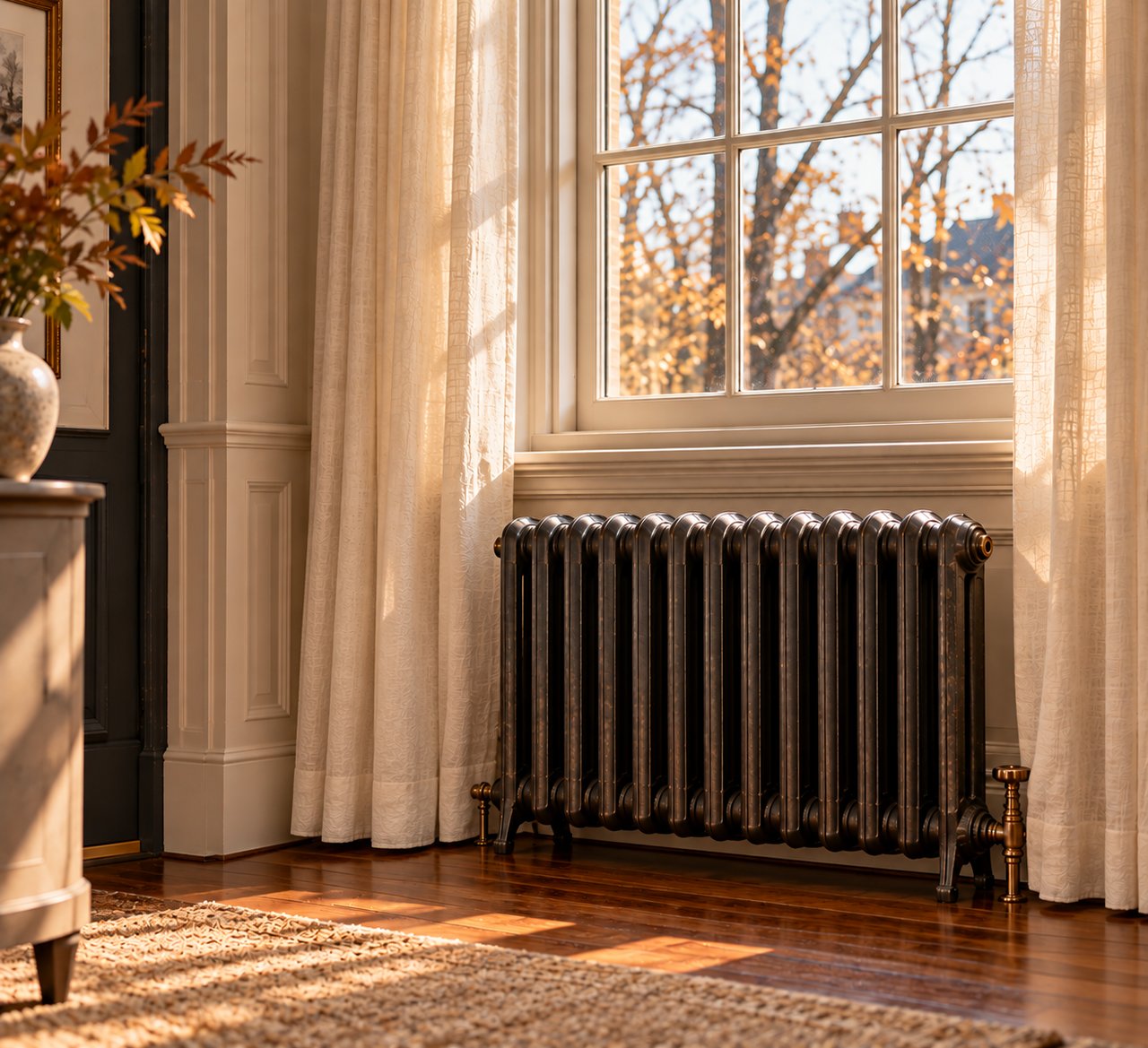
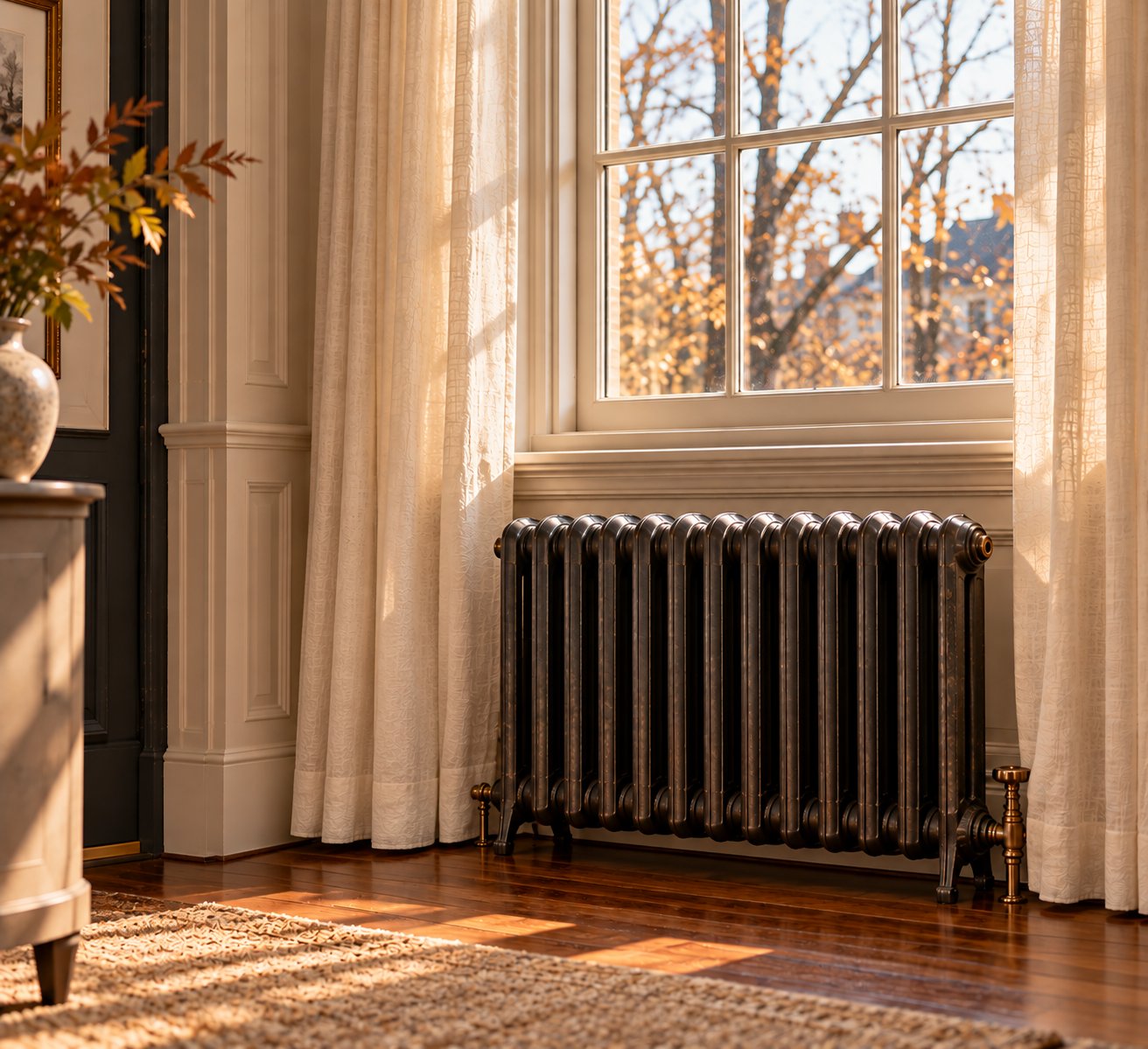
Cast-iron radiator beneath a large window overlooking autumn trees, framed by curtains in a sunlit room.

Book these now, because HVAC and chimney companies fill up in November:

  1. Service your heating system every year. A tune-up improves efficiency and catches failing parts before you lose heat in the coldest week of the year.
  2. Change your filters quarterly. A dirty filter is tough on the system, and the air in your home is not as fresh. It is one of the cheapest and easiest habits to keep.
  3. Bleed radiators if you have hot water or steam heat.
  4. Test smoke and carbon monoxide detectors and replace batteries.
  5. Clean the dryer vent. Lint buildup is a fire risk that many homeowners overlook.
  6. Have the chimney inspected and swept before using a fireplace or wood stove.
  7. Stock ice melt and shovels, and arrange snow clearing if you will be away.

What does "good bones" really mean, and how does maintenance affect value?

Brick home entry with a navy door, stone steps, iron railings, and autumn foliage.

As an agent, I can tell when a home has been well maintained, and it absolutely affects the value. That is what "good bones" really means. It is not only the layout or the architecture. It is a home whose owner has been proactive about maintenance, so the roof, drainage, mechanicals and systems have been cared for over the years.

Buyers and inspectors notice deferred maintenance. Water stains, a neglected drain or an aging system that was never serviced can reshape a negotiation. Homeowners who keep service records for the roof, HVAC, chimney and drains give buyers confidence and often protect their price. If you are thinking about listing in spring, fall is the best time to fix small issues quietly, before they show up in an inspection report.

Frequently Asked Questions

When should I schedule fall prep in our area?
Aim to finish before Thanksgiving. Gutters are best cleaned after most leaves fall, and HVAC and chimney appointments book up fast once temperatures drop.

Does homeowner's insurance cover winter damage like frozen pipes?
It depends on your policy. Coverage and requirements vary, so check with your insurance agent before winter.

Do I need a pro for all of this?
No. Filters, detectors, hoses and pipe insulation are simple DIY tasks. Roofs, chimneys, mortar, plumbing and heating systems are worth a licensed professional.

I own a condo. What is my responsibility?
It depends on your governing documents. Ask your property manager which systems the association maintains and which fall to you, such as in-unit plumbing and HVAC.

Strategic Takeaway for Homeowners and Future Sellers

Fall prep is one of the cheapest forms of insurance you can buy. A few hours and a few small service calls now can prevent a burst pipe, a wet basement or a failed inspection later.

Maintenance is only half of protecting your home. Each year, I provide my clients with a real estate analysis, a high-level overview of the activity in their market and what it may mean for their home. I recommend they compare it with their homeowner's insurance to make sure their coverage is still enough. Your insurance agent can tell you how your policy matches up, and the analysis gives you a current picture of your market to bring to that conversation.

I work with homeowners throughout Center City Philadelphia, Bucks and Montgomery counties on exactly this kind of planning, including what to fix before listing and what can wait. If you would like your annual real estate analysis, or a second set of eyes on your home before winter, reach out and we can talk it through.
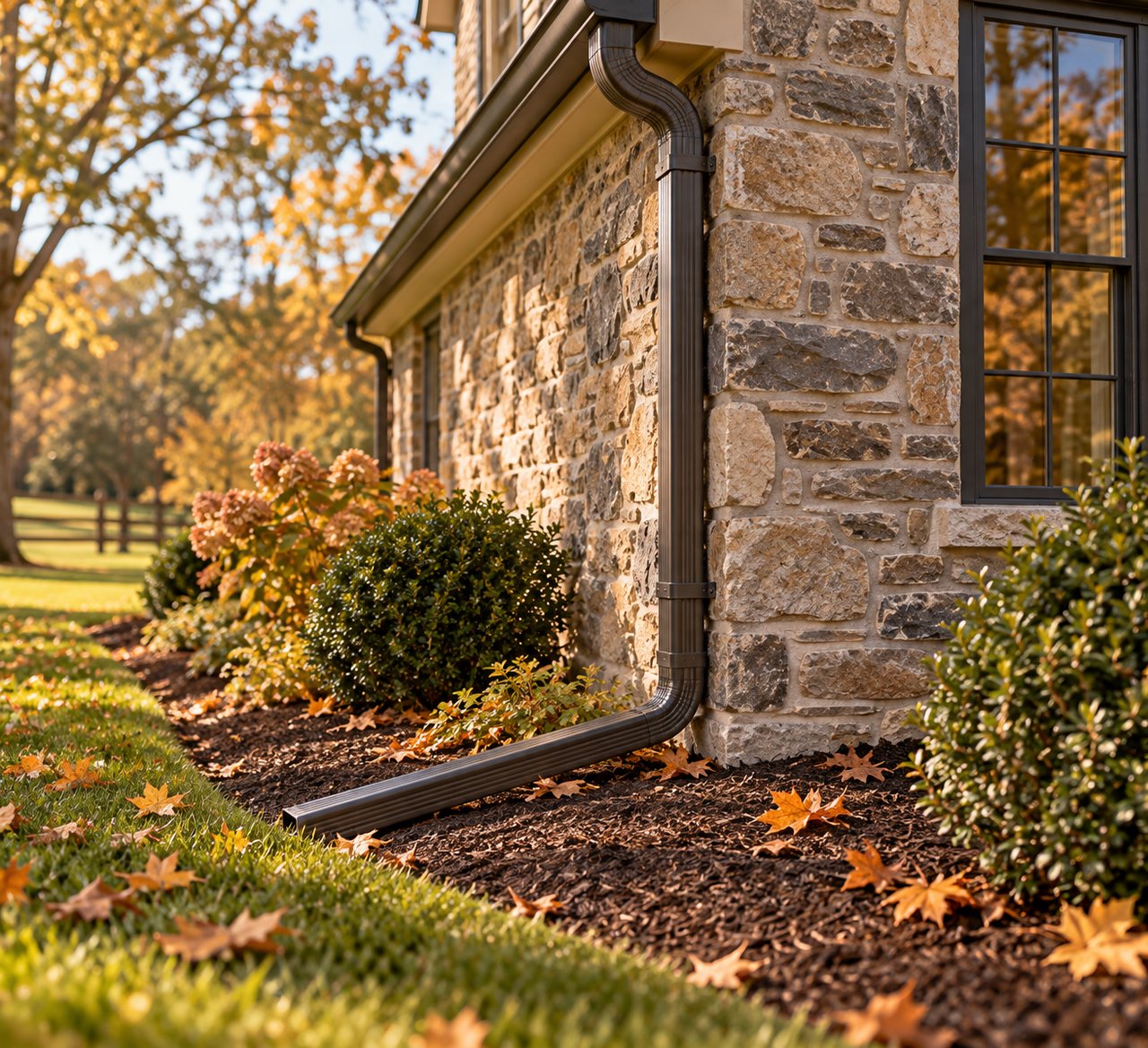
Stone house corner with a clear gutter, downspout extension and ground sloping away from the foundation.
Open sink cabinet showing insulated pipes.
Radiator by a window beside
Hardwood staircase and millwork in a well-maintained older home.
Brick home entry with a navy door, stone steps, iron railings, and autumn foliage.

Recent Blog Posts

Brick home entry with a navy door, stone steps, iron railings, and autumn foliage.

Homeowners

Fall Home Care in Philadelphia and Bucks County: A Winter Prep Checklist That Protects Your Home and Its Value

October 22, 2026

Real-world tips on pipes, drainage, heat and "good bones" before the first hard freeze.

Historic stone home with manicured lawn and autumn foliage in Bucks County Pennsylvania, representing an inherited estate property.

Buyers & Sellers

Selling an Inherited House in Philadelphia, Bucks and Montgomery: Probate, Taxes and Timeline

October 5, 2026

Who can sell an inherited home, how Pennsylvania inheritance tax works, and a step-by-step checklist for executors.

Elegantly staged living room featuring warm mushroom-taupe walls, built-in shelving, and a fireplace.

Buyers & Sellers

Fall 2026 Paint Color Trends: What Philadelphia, Bucks & Montgomery County Sellers Should Repaint Before Listing

September 28, 2026

Which 2026 paint colors are quietly working against a listing, and what to repaint instead before you go to market.

Wide view of the Philadelphia skyline at sunset with historic buildings and modern towers

Buyers & Sellers

The Fed Just Raised Rates, Not Cut Them: What Philadelphia-Area Buyers and Sellers Should Watch Through December

September 22, 2026

The September rate hike changes the math for anyone timing a move. Here's what the Fed's decision means for financing and pricing through year-end.

Modern condominium buildings with glass balconies and a taller tower behind them.

Buyers & Sellers

Stephanie Biello Featured on Redfin: What Every Condo Buyer Should Know

August 28, 2026

National real estate platform Redfin tapped Stephanie for expert insight on financing, HOA red flags, and smart due diligence when buying a condo.

Furnished living room with a cream sofa, fireplace, and dining area beyond.

Trends

Gen Z and the Quiet Luxury Trend: What It Means for Philadelphia and Bucks County Real Estate

August 28, 2026

On being featured in PAR's "Just Listed" and what quiet luxury means for buyers and sellers across Philadelphia, Bucks, and Montgomery County

Indoor pool beside floor-to-ceiling windows overlooking a city skyline at dusk.

Buyers

Evaluating Luxury Condo HOA Health: Reserve Studies, Special Assessments & Financial Red Flags

August 28, 2026

A buyer’s playbook for analyzing condominium association financial statements, Fannie Mae guidelines, and HOA reserves across Center City Philadelphia and suburban hig… Read more

Woman arranging a dining table beside large windows with a water view.

Industry Mentorship & Coaching

Personal Branding for Realtors: Why You Need a Triage, Not an Overhaul

August 23, 2026

Why starting over is rarely the answer for realtors and how a focused brand triage gets results faster.

Elevated view of a majestic historic stone manor house with multi-gabled roofs, nestled among mature trees and surrounded by expansive green lawns, bathed in soft golden hour sunlight.

Buyers

Buying Historic Estates & Custom Acreage in Bucks County: Zoning, HARB Rules & Environmental Due Diligence

August 20, 2026

An essential buyer’s guide for navigating historical review boards, Act 319 Clean & Green tax status, and rural utility inspections across New Hope, Doylestown, and Up… Read more

Work With Stephanie

Stephanie is a passionate advocate for homeownership and has been instrumental in helping countless people realize their real estate dreams. If you’re looking for an experienced, knowledgeable real estate professional to help you buy or sell a home in the Greater Philadelphia area, Stephanie Biello is the perfect person for the job.

Follow Me On Instagram