Why Multi-Generational Living is Growing - Benefits of Saving, Caregiving & Family Connections
Trends January 24, 2025
Trends January 24, 2025

In today’s ever-evolving housing market, multi-generational living is making a strong comeback. This modern take on a traditional concept is reshaping the way families live, offering solutions to financial challenges, caregiving needs, and the desire for closer family connections. Let’s explore why multi-generational housing is on the rise, its financial and design benefits, and the trends shaping these shared spaces.

Multi-generational homes—where two or more generations of a family live under the same roof—are becoming increasingly popular. Economic pressures, aging populations, and shifting cultural norms are some of the key drivers behind this trend. As housing costs continue to climb, many families are choosing to pool resources by living together, saving significantly on expenses like rent or mortgages, utilities, and caregiving.
Additionally, the growing need for elder care and childcare can often make multi-generational living a practical solution. For older adults, living with family can provide companionship and support, while parents with young children may benefit from having built-in caregivers in the home. This arrangement offers emotional and financial stability to families navigating the complexities of modern life.

One of the biggest advantages of multi-generational housing is financial efficiency. With multiple incomes contributing to household expenses, families can reduce their cost of living significantly. This can make it easier to afford larger homes or properties in better locations, improving overall quality of life.
Furthermore, shared living arrangements can help families build wealth over time. For example, pooling resources may allow a family to purchase a property instead of renting, building equity for future generations. It’s also an effective way to cut down on costs associated with elder care, such as nursing homes or assisted living facilities, as well as daycare expenses for young children.

The success of a multi-generational home often hinges on thoughtful design. These homes need to balance shared spaces with privacy, ensuring that all family members feel comfortable and respected in the arrangement.
Some key design features include:
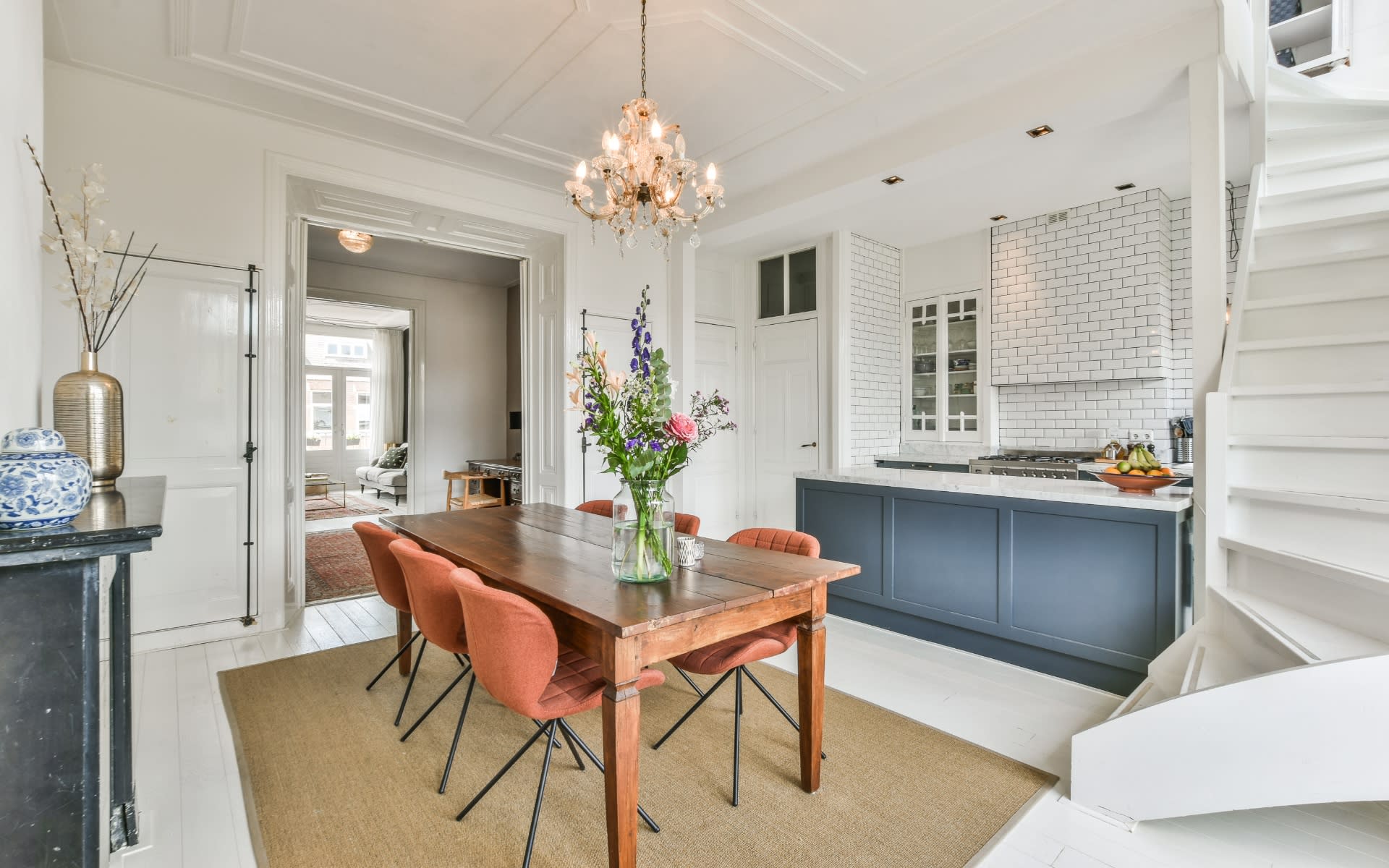
While multi-generational living once carried a practical, no-frills reputation, it’s now becoming a sought-after option in the luxury home market. Upscale buyers are embracing the concept, with developers offering high-end shared homes designed to meet the needs of larger families. These properties often feature dual kitchens, multiple master suites, and expansive outdoor spaces, blending convenience with style.
In addition to functional spaces, many luxury multi-generational homes emphasize technology, with smart home systems that allow family members to customize lighting, temperature, and entertainment preferences in different parts of the house. These homes cater to families who want the benefits of shared living without sacrificing comfort or modern amenities.
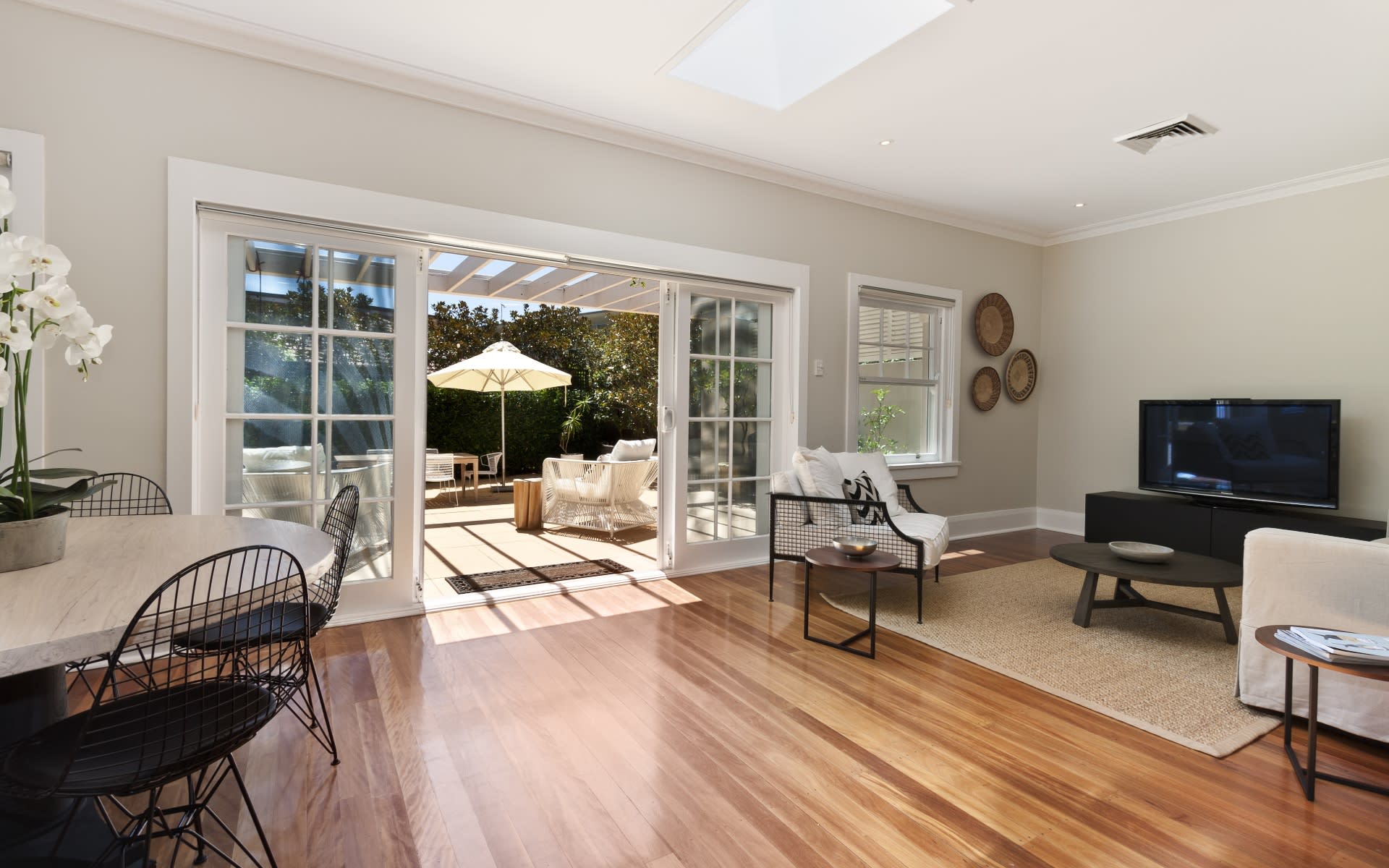
As more families embrace the potential of multi-generational living, we can expect this trend to continue growing and evolving. It’s a lifestyle that addresses modern challenges like rising housing costs and caregiving needs while fostering connection and support among family members.
Whether you’re considering this option for financial reasons, caregiving responsibilities, or simply the joy of living close to loved ones, multi-generational housing offers a flexible and meaningful way to meet the demands of modern life. With thoughtful design and planning, these homes can create a harmonious balance between shared living and individual independence—bringing families closer in every sense of the word.
Homeowners
October 22, 2026
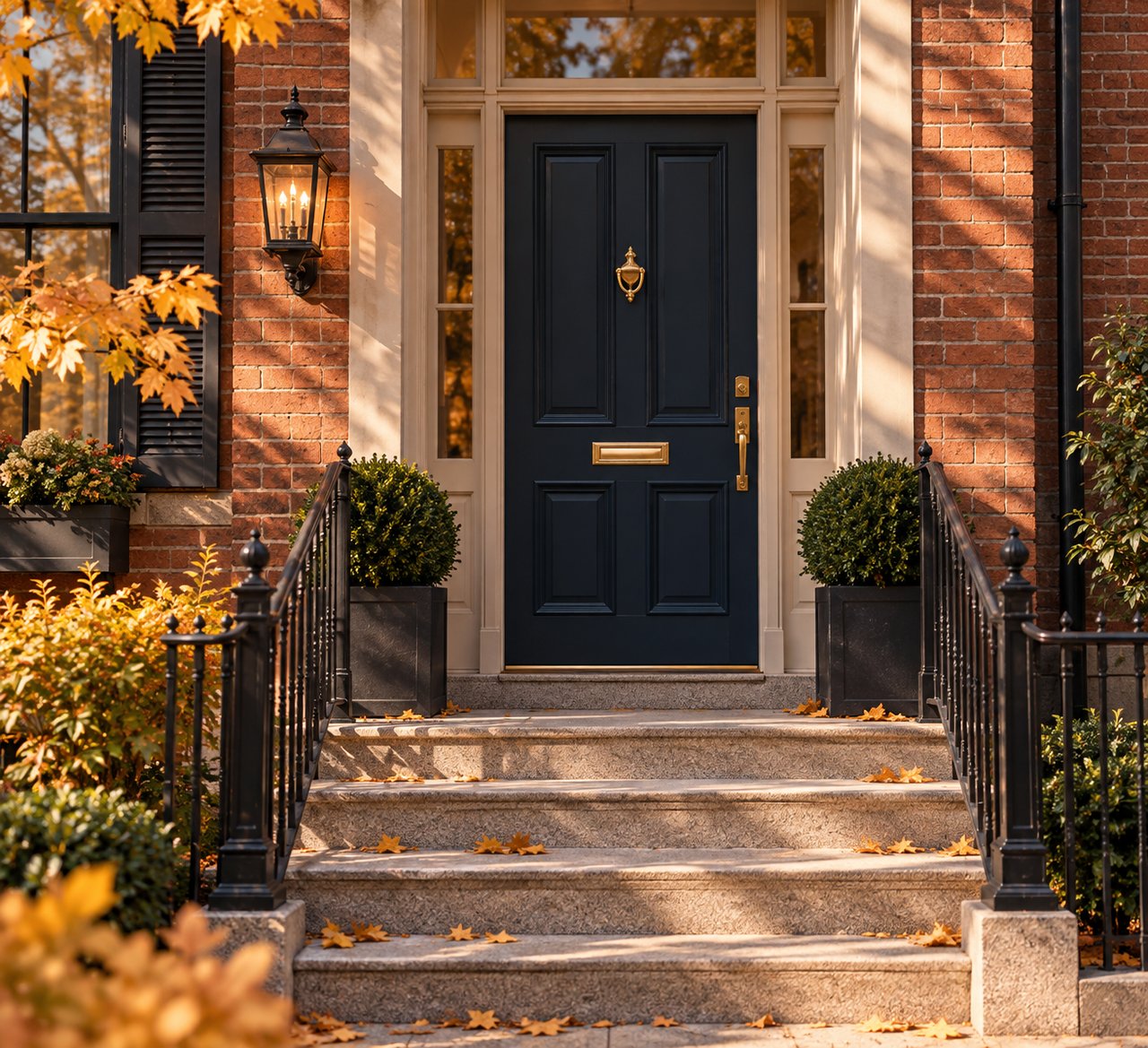
Real-world tips on pipes, drainage, heat and "good bones" before the first hard freeze.
Buyers & Sellers
October 5, 2026
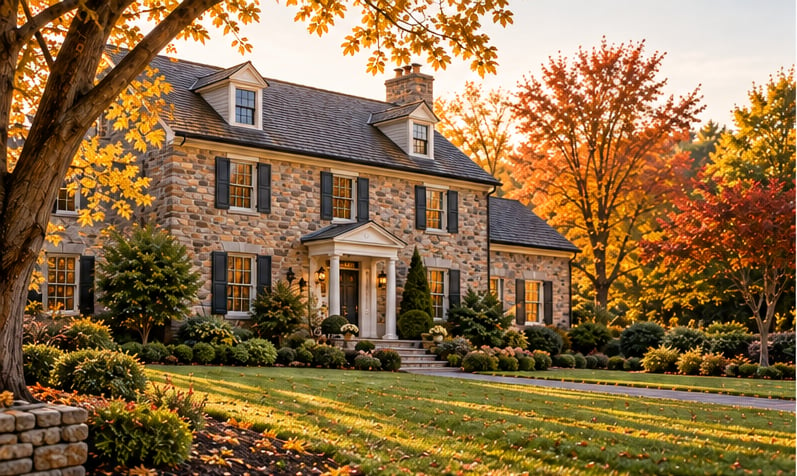
Who can sell an inherited home, how Pennsylvania inheritance tax works, and a step-by-step checklist for executors.
Buyers & Sellers
September 28, 2026
Which 2026 paint colors are quietly working against a listing, and what to repaint instead before you go to market.

Buyers & Sellers
September 22, 2026
The September rate hike changes the math for anyone timing a move. Here's what the Fed's decision means for financing and pricing through year-end.

Buyers & Sellers
August 28, 2026
National real estate platform Redfin tapped Stephanie for expert insight on financing, HOA red flags, and smart due diligence when buying a condo.

Trends
August 28, 2026
On being featured in PAR's "Just Listed" and what quiet luxury means for buyers and sellers across Philadelphia, Bucks, and Montgomery County

Buyers
August 28, 2026
A buyer’s playbook for analyzing condominium association financial statements, Fannie Mae guidelines, and HOA reserves across Center City Philadelphia and suburban hig… Read more

Industry Mentorship & Coaching
August 23, 2026
Why starting over is rarely the answer for realtors and how a focused brand triage gets results faster.

Buyers
August 20, 2026
An essential buyer’s guide for navigating historical review boards, Act 319 Clean & Green tax status, and rural utility inspections across New Hope, Doylestown, and Up… Read more
Stephanie is a passionate advocate for homeownership and has been instrumental in helping countless people realize their real estate dreams. If you’re looking for an experienced, knowledgeable real estate professional to help you buy or sell a home in the Greater Philadelphia area, Stephanie Biello is the perfect person for the job.